One working record for the sale
Keep the customer, decision-makers, expected value, activity, tasks and quotes together from first discussion through to won or lost.
Sales pipeline
Keep every call, meeting, note, quote and next step together as a sale moves from first discussion to a decision.


Loved by Australian and New Zealand customers





Use an Opportunity when the sale involves several conversations, people, options or decisions. Keep the stage, likely value, timing, calls, meetings, quotes and next action together until the sale is won or lost.
A quick one-off quote can stay quick. The pipeline is there for the sales that genuinely need it.
Keep the customer, decision-makers, expected value, activity, tasks and quotes together from first discussion through to won or lost.
Run different pipelines for equipment sales, hire, projects, tenders, renewals or other types of sale.
Keep the conversation and promises with the sale so the team knows what happened.
Set dates, create tasks, automate messages, sum up the sale and make the next action clear.
The Opportunity is the working record for a sale that takes time. It keeps the commercial picture and the customer conversation together, rather than spreading them across inboxes, notes and separate quote records.
That includes what was said on the phone: call logging, transcription and AI summaries sit on the same Opportunity as the emails and quotes.
A hire enquiry, wholesale sale, equipment project and tender don’t need the same stages. Create separate pipelines for the work your business actually does while keeping the same customer, product and activity history underneath.
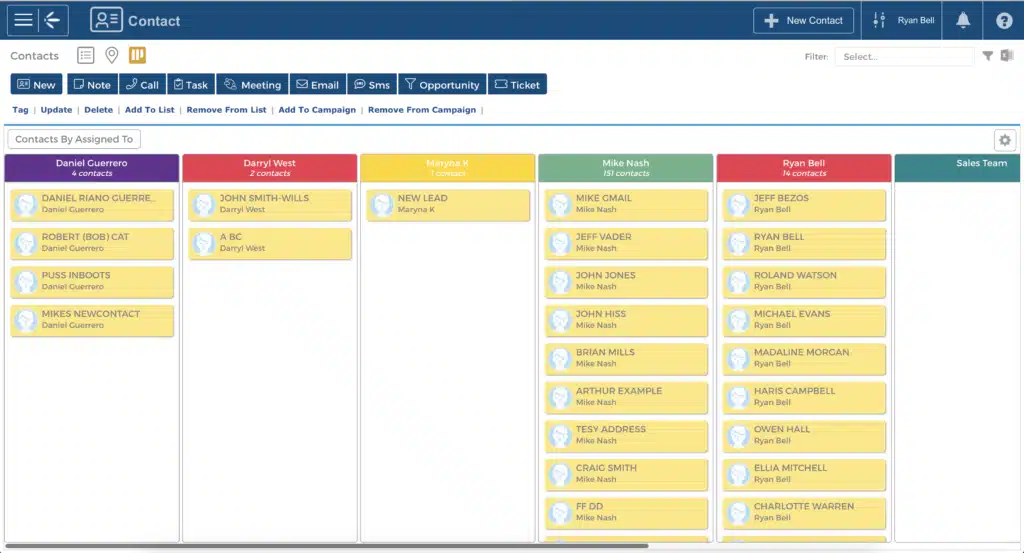
Use one pipeline for new equipment sales and another for hire, projects, tenders, renewals or any other process that genuinely works differently.
Give each team stages, fields, rules and tasks that match its work without splitting customer information into separate systems.
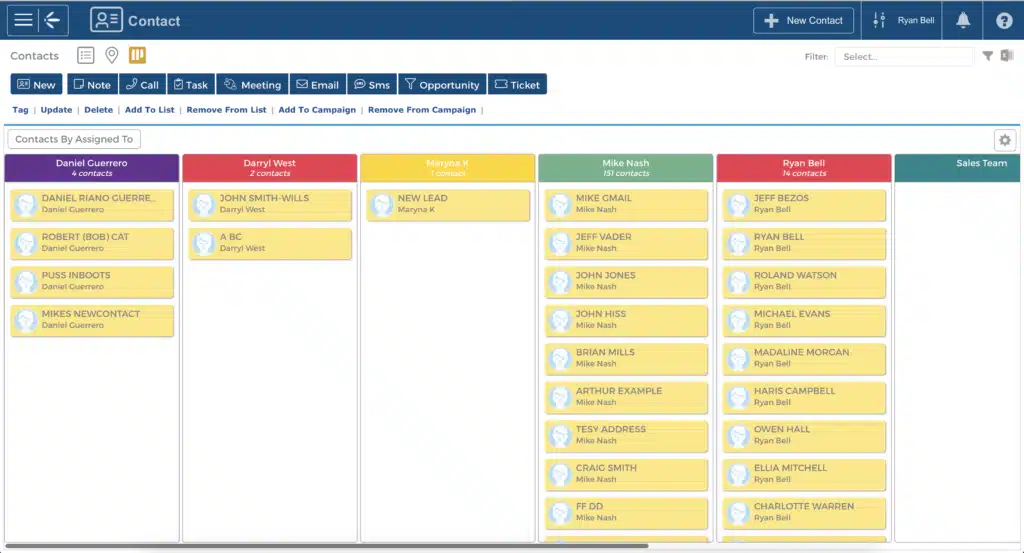
Use a Kanban-style view to see where each sale sits, what’s moving and what’s becoming stuck.
Every pipeline stays connected to the same customer, contacts, quotes, orders and activity.
A longer sale may start with a rough estimate, move through two or three options and finish with a final quote. Keep every version with the same Opportunity so the team can see how the customer’s needs, scope and price changed.
That gives managers and salespeople one clear story from the first discussion to the final decision.
Set the follow-up date, give the next action to the right person, create a task or let automation send the next template email or SMS. Saved grid filters and CRM reminders help the team work through what’s due instead of relying on memory.
Yes - equipment sales, hire, projects, tenders and renewals can each have their own stages, so a quick reorder isn’t forced through a six-stage process.
Yes - with phone integration, calls log against the customer, are recorded, transcribed and summarised, and Tall Emu's AI can create the follow-up tasks from what was agreed.
The customer, contacts, expected value, stage, activity, quotes, related orders and the win/loss reason - the whole commercial conversation in one record.
Tall Emu is built and supported in Australia, with help available from 9am to 5pm Sydney time.
MYOB or Xero stays as your accounts. Tall Emu handles the leads, quotes, orders, stock, warehouse and customer work around it. Tall Emu and MYOB · Tall Emu and Xero
Tell us how your sales move from first contact to a decision. We’ll show you the pipeline, follow-up and reporting around it.
Prefer to talk? Call 02 9299 9959 or talk to a real person.